


Jakarta, Otodiva – Ferrari is finally ready to enter the era of electric cars. This Italian sports car manufacturer is scheduled to introduce its first electric car in the spring 2026, after previously only showing some of the drivetrain technology later this year. But what's interesting, before the launch occurs, Ferrari was caught “testing” one of the fastest electric cars today—and not from Europe or America, but from China.
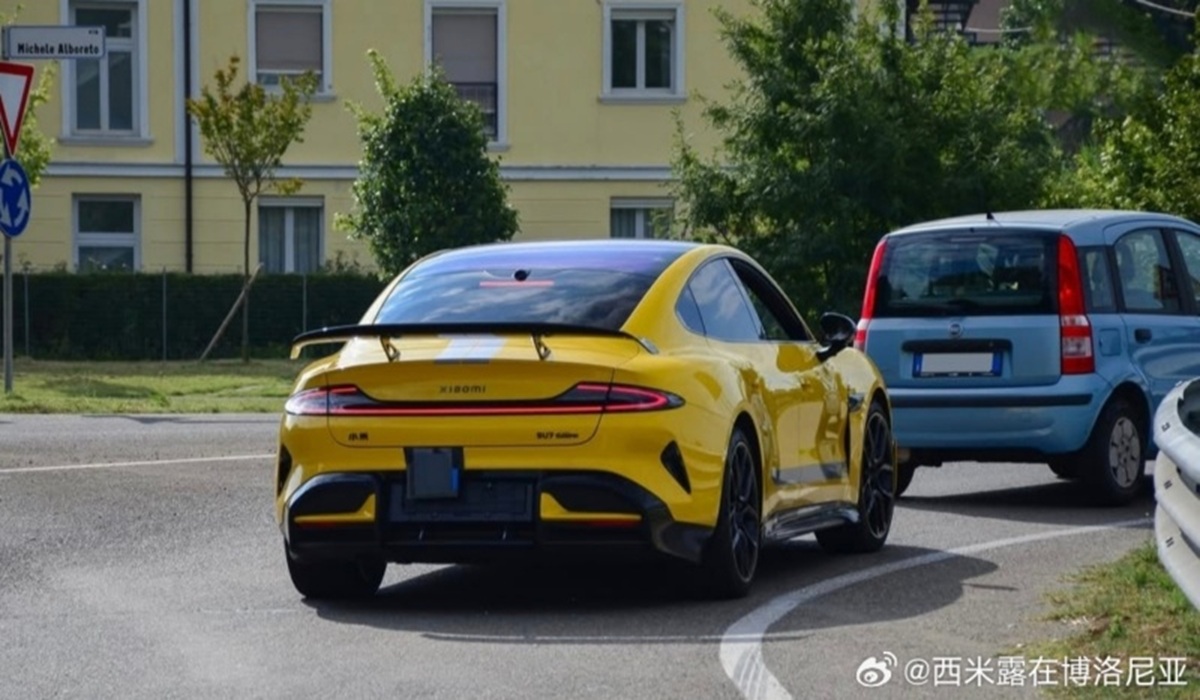
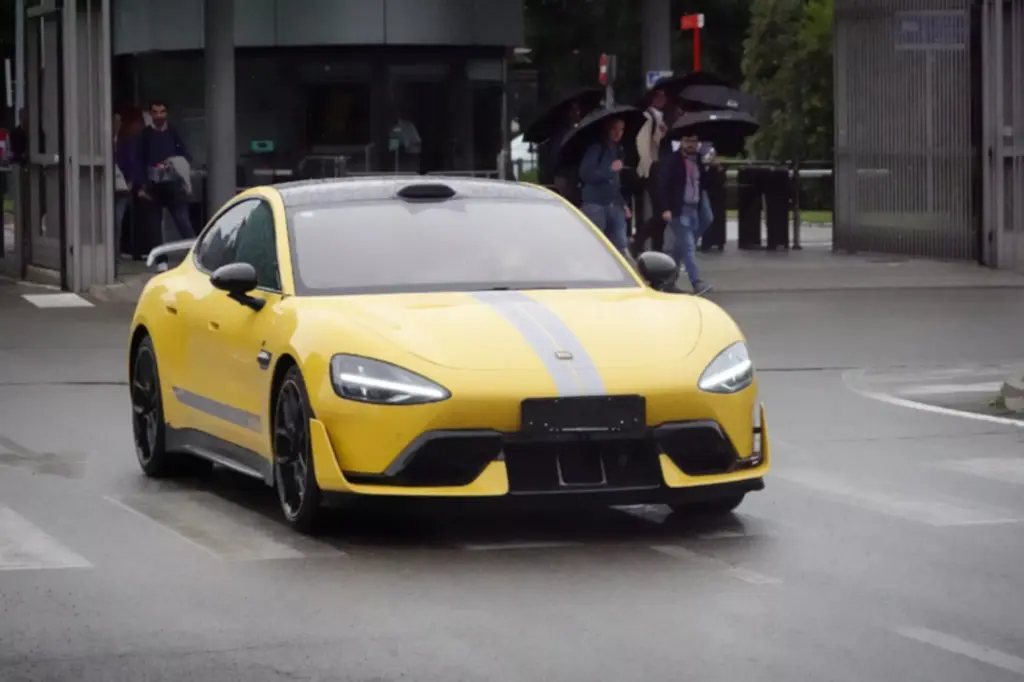
A Xiaomi SU7 Ultra, The high-performance electric sedan belonging to the Chinese technology giant, seen leaving Ferrari headquarters in Maranello, Italia. The appearance of the distinctive yellow color with silver double lines—which is identical to the official SU7 promotion which confirms that this car is an official unit, not an ordinary customer's car. The meeting of these two worlds opens up a lot of speculation.
Usually legendary manufacturers like Ferrari are the benchmark, so now they're the ones studying competitors' cars—and the facts, This competitor comes from the Bamboo Curtain country. What really happened?
Read Also: Toyota Boss Considers Selling US-Made Cars to Japanese Market
Ferrari's Interest in SU7 Performance
Ferrari, like many other automotive manufacturers, often buying or borrowing competitors' vehicles for research and benchmarking purposes. But if five years ago someone said Ferrari would study cars made in China, many would probably laugh at it. Now, that assumption actually came true.
Xiaomi SU7 Ultra recorded the fastest time among mass-produced electric cars on the Nürburgring circuit—7 minutes 4,957 second, faster almost 3 seconds from the Porsche Taycan. Even the Ultra prototype was clocked 6 minute 22 second, only inferior to experimental cars such as the VW ID.R and Porsche 919 Evo.
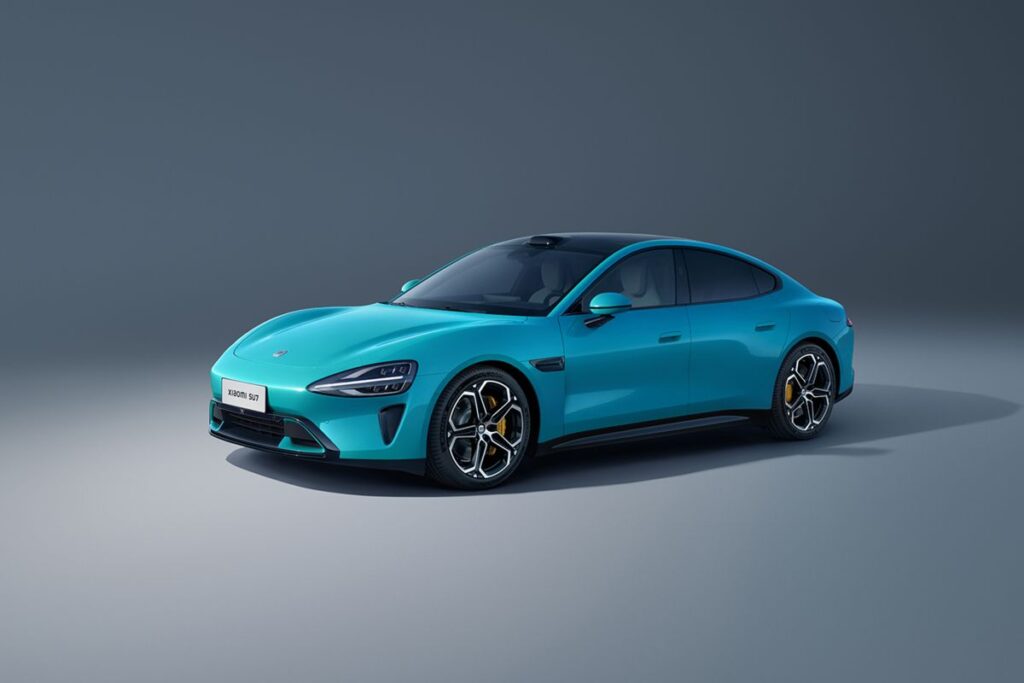
With performance like that, It's natural that Ferrari would want to understand the secret behind this achievement. The SU7 Ultra uses a triple electric motor configuration with a combined output of up to 1.526 hp, acceleration 0–100 km/h in 1,98 second, and top speed 359 km/hour. Although Ferrari is known for its expertise in handling and driving dynamics, technologies such as battery heat management and power stability when driving fast may be their main concerns at this time.
From Maranello to Beijing
This phenomenon is also interesting because Xiaomi is not just a newcomer, but a technology giant that wants to expand its business empire into the automotive sector. Sang CEO, Lei Jun, also known as a Ferrari fan. He was once seen driving a red Ferrari Purosangue, which indicates personal admiration for the Italian brand.
Meanwhile, Ferrari itself is still cautious about welcoming the era of electrification. It is reported that the first electric car will only be produced in limited quantities, as a way to “educate” market that Ferrari cars without combustion engines are still worthy of pride. New on second EV model, which has a crossover form, Ferrari will target a wider market volume. However, this project was postponed until 2028 because demand for electric cars in the premium segment is still considered weak, as reported by Reuters.
Ferrari's steps to observe Xiaomi can be interpreted as a form of readiness to face a new era - where technology, not just heritage, be the main weapon. On the other hand, this is also validation for Xiaomi: Their automotive products are serious enough to be taken into account by top players like Ferrari.
Maintaining Relevance in the Midst of the Technological Revolution
The entry of non-automotive players like Xiaomi into the car industry brings a breath of fresh air and challenges. With extensive technological resources and digital ecosystem, companies like Xiaomi can embed smart features and extreme performance that traditional car manufacturers might not have thought of.
But on the other hand, Big names like Ferrari still have strong capital - both in terms of brand, customer loyalty, as well as expertise in building emotional and prestigious vehicles. Ferrari electric cars will of course be judged not only by performance figures, but also from how the car makes the driver feel "at heart of a prancing horse."
Clear, Ferrari's move to pay attention to the Xiaomi SU7 shows that today's automotive world no longer recognizes national borders or old stereotypes. In the past, Chinese cars were thought to be just imitations, now they actually lead in several aspects of technology.
Ferrari may still rule the exclusive supercar arena, but to remain relevant in the future, they must be ready to learn—even from new challengers coming from the east.
