



Jakarta, Otodiva – An F1 car may look small if you only look at its engine capacity, which is around 1,600cc or equivalent 1,6 liter. But don't be fooled. In the automotive world, performance is not always determined by the size of this number. In fact, F1 cars can go more than 350 km/hour and rival the speed of a fighter jet at the initial start. So, what's the secret??
Amazing performance of a Formula car 1 not just a matter of horsepower (horsepower), but a combination of high-level engineering, energy efficiency, to extreme aerodynamics. In the last decade, F1 teams have also perfected the use of hybrid technology which is much more sophisticated than ordinary road cars. Machine 1.6 liter is not a conventional engine, but part of a very complex turbocharged hybrid power unit.
Behind all that, there is a great purpose: creating the fastest vehicles on the race track with maximum efficiency, while still complying with increasingly stringent FIA regulations regarding the environment and fuel usage limits. So don't be surprised if even though the capacity looks small, F1 cars symbolize the pinnacle of modern automotive engineering.
Read Also: Ferrari secretly observed Xiaomi Su7, Ready to launch his first electric car 2026?
Combined Turbo Engine and Advanced Hybrid System
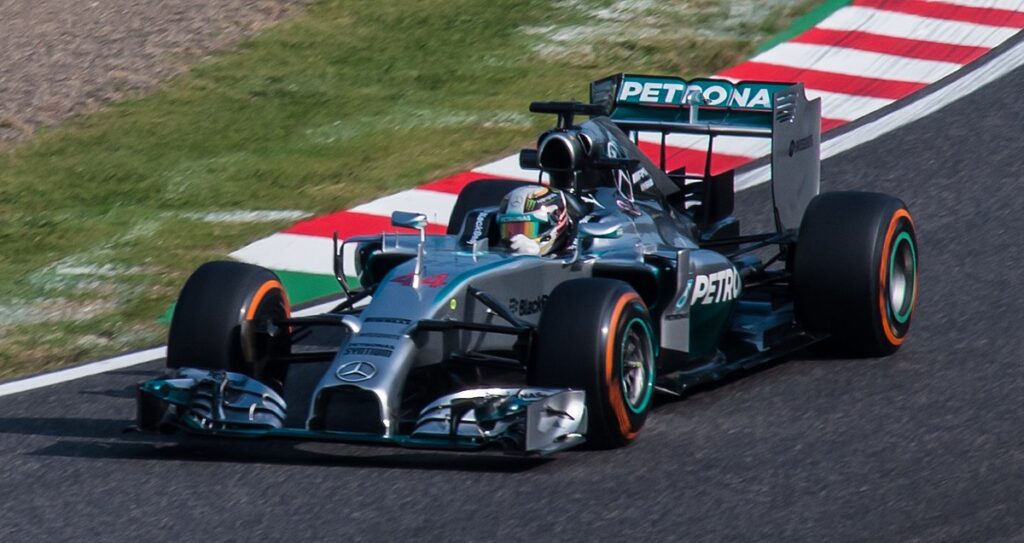
Since era 2014, F1 officially switches from conventional V8 engines to engines 1.6 liter V6 turbo hybrid. On paper, the capacity sounds ordinary—small even compared to many sports cars. However, the technology inside is very different. This machine is combined with two energy recovery systems: MGU-K (Kinetic) and MGU-H (Heat), which stores and distributes energy from braking and exhaust heat to the battery. This energy is then used to provide additional thrust when needed, similar to the KERS system that has been used before, but much more sophisticated.
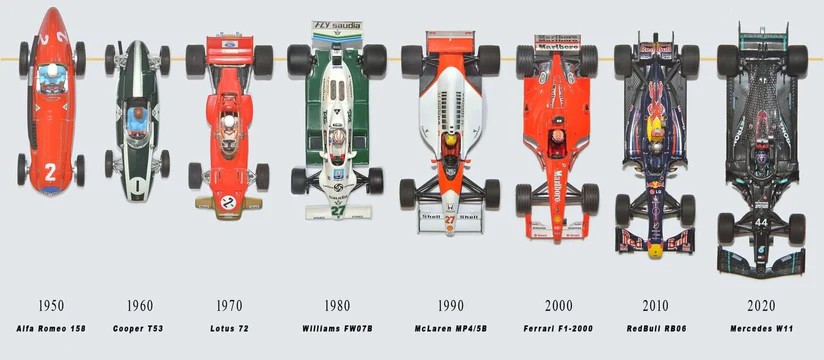
The advantage of this system is its ability to produce finite power output 1.000 horsepower—a figure that far exceeds that of a typical sports car with twice the engine capacity. And all this without having to burn more fuel. Even, with a fuel usage limit of approx 100 kg per race, F1 cars can still accelerate more than 300 km/hour.
However, This technology is not cheap. Research and development costs for the F1 hybrid power unit reach hundreds of millions of dollars per year, so not all teams can compete equally. This is also one of the criticisms of the current engine regulations which are considered too complex and expensive for small teams.
Aerodynamics and Ultra-Light Weight Are Key
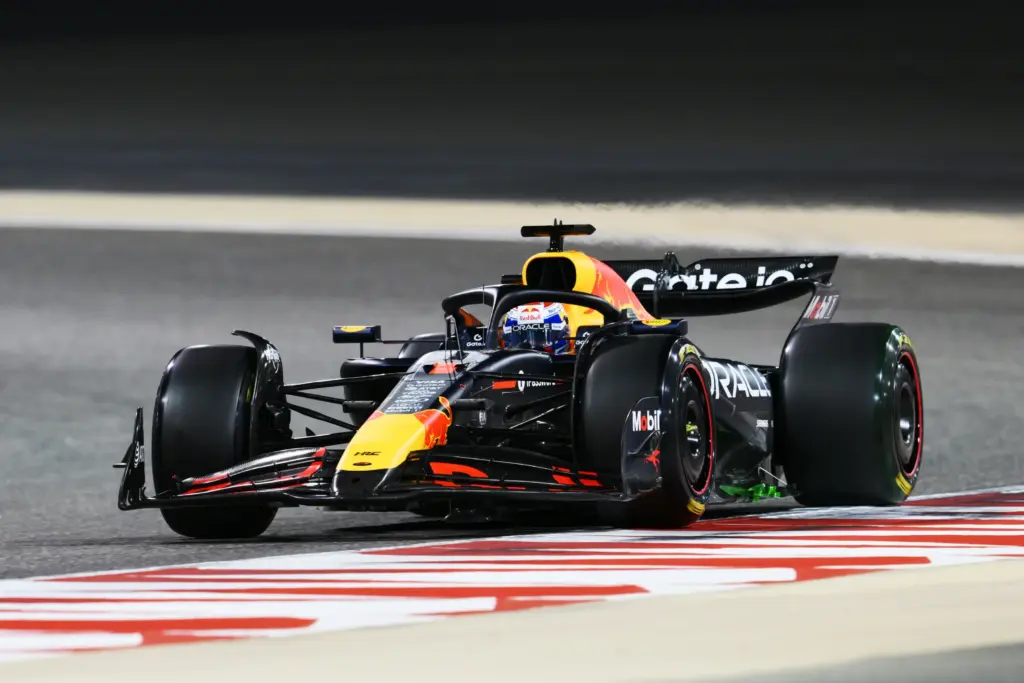
Apart from the engine side, aerodynamics and vehicle weight also play a vital role. F1 cars are designed in such a way that they can "stick" to the track (downforce) while still minimizing wind resistance (drag). This allows the car to go very fast around corners without losing traction. Every curve on the car body, from the front wing to the rear diffuser, calculated precisely through computer simulations and wind tunnel testing.
Weight is also very important. In total, F1 cars must have a minimum weight of approx 798 kg (including racer and fuel). With a power to weight ratio like this, F1 cars are much more efficient and faster than mass-produced supercars. Acceleration from 0 the 100 km/hour only takes approx 2,5 second, It could even be faster depending on track conditions.
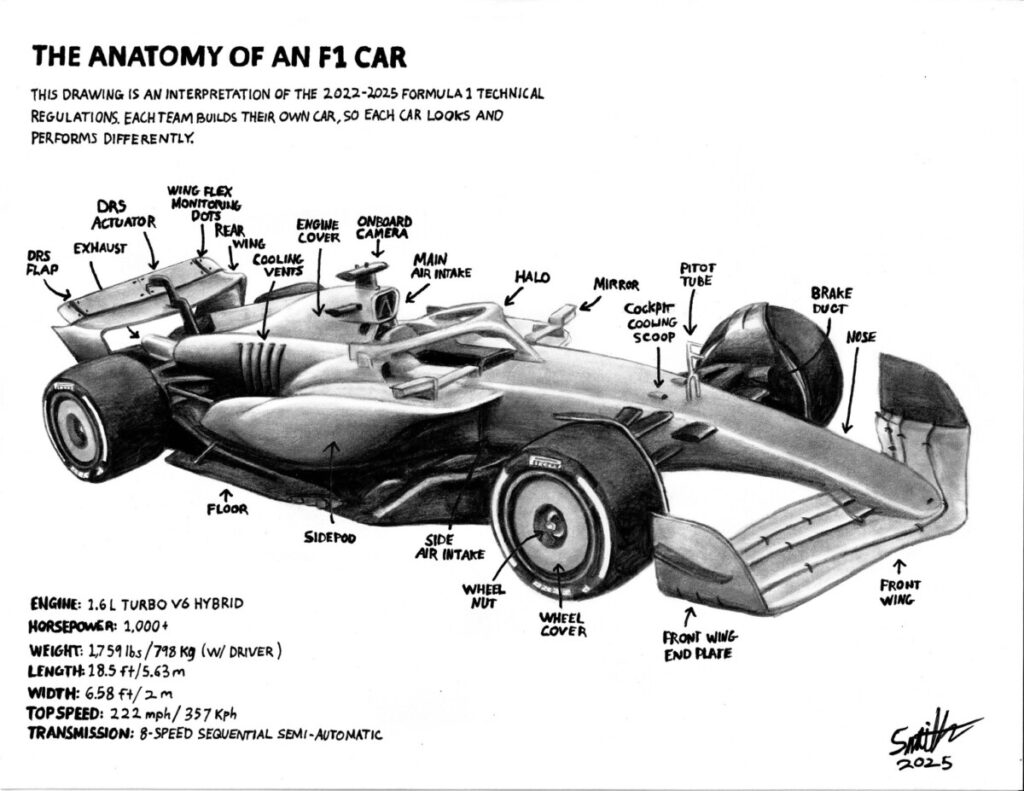
However, These extreme aerodynamics also make F1 cars unsuitable on public roads. Very low ground clearance, super stiff suspension, and the need for optimal temperatures in the tires and brakes makes this car only optimal on the circuit.
Formula car speed 1 not coming from the large engine capacity, but from high efficiency technology that combines a turbocharger, hybrid system, advanced aerodynamics, and high-level energy management. Machine 1.6 liters in F1 may be small in volume, but holds extraordinary potential thanks to technology that has been continuously developed over the years.
Even so, not all parties agree. Some fans and former racers think the hybrid engine era is too complicated and doesn't provide the "stirring" sound of the V10 or V12 era.. On the other hand, The FIA and manufacturers see this as the direction of the future: high speed with low emissions and maximum fuel efficiency.
With regulations 2026 which will again change the power unit format, eliminating MGU-H and increasing the portion of electric power, and F1 cars seem to be getting faster and more efficient. But what's clear, F1 cars are not just ordinary racing vehicles, This is like a walking laboratory, a place where the most cutting-edge automotive technology is tested before perhaps finally being downgraded to the cars we drive every day.
