





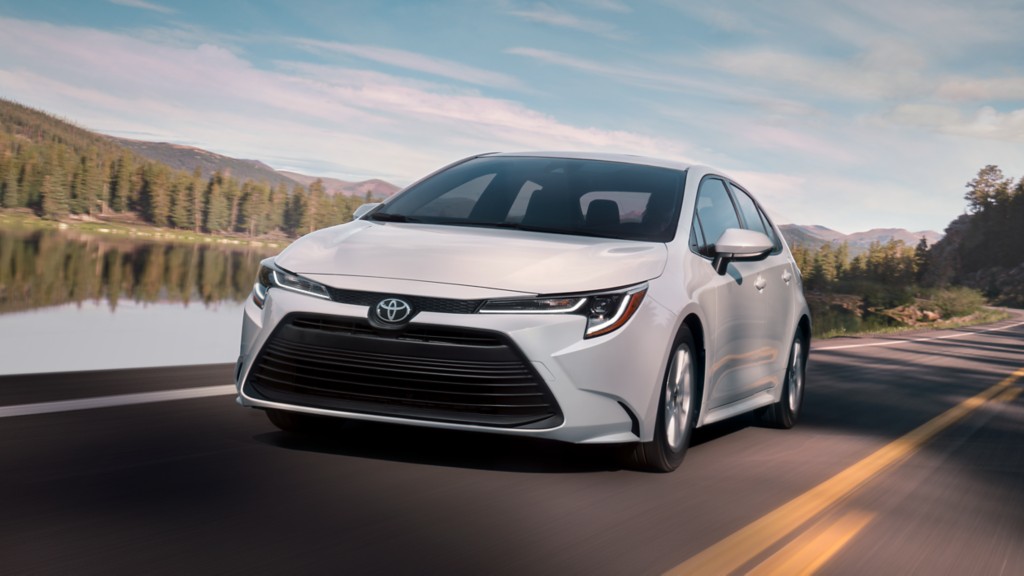
Jakarta, Otodiva – Toyota kabarnya tengah mengembangkan sistem penyimpanan energi bernama Sweep Energy Storage System. This system uses used batteries from electric and hybrid cars to store and distribute energy. Recently, Toyota began conducting field trials at Mazda's main factory located in Hiroshima, Japan.
Sustainability issues in the automotive industry do not only concern electric vehicles, but also how to handle its vital components: battery. As production of electric and hybrid cars increases, The number of used batteries is increasing. The battery often still holds sufficient charge, even if the car using it has reached the end of its useful life or was damaged in an accident. The question that arises then is, how to use these batteries so they don't go to waste?
In this test, Toyota focuses on the stability of battery charge and discharge cycles. The target is to see whether this battery-based energy storage system can be relied on as a support for the solar panels in the factory. If successful, This system can absorb excess energy when electricity production is abundant and release it again when needed, so that the factory can get a more stable power supply.
Read Also: Wuling Bingo S Ready to Challenge Byd Dolphin in the Compact Electric SUV segment
Why Tests Are Conducted at Mazda Plants?

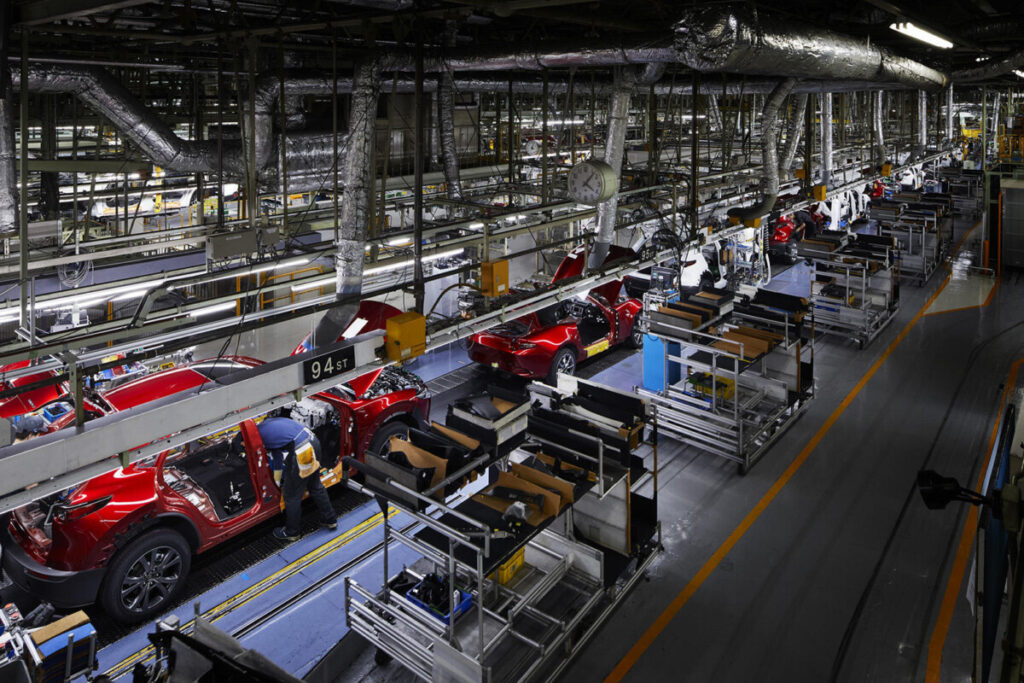
Toyota's decision to test this technology at the Mazda factory may sound surprising. However, if you look deeper, this move is not entirely without reason. Toyota does have a business relationship with Mazda, including minority share ownership. The two also worked together to build a factory together in Alabama, United States of America, as well as the development of a hybrid system for the Mazda CX-50 using Toyota components.
With that background, Mazda could be considered the right partner for initial trials. Apart from providing real benefits for the Mazda factory, The results of this test also have the potential to strengthen Toyota's position as a pioneer in used battery management. At the same time, Mazda gets the opportunity to try renewable energy solutions without having to develop its own technology from scratch.
However, Toyota has not explained in detail why the Mazda factory was chosen as the first location for the test, not their own internal facilities. This opens up space for speculation, starting from long-term collaboration strategies to pragmatic reasons regarding infrastructure readiness at the Mazda Hiroshima factory.
Opportunities and Challenges of Using Used Batteries

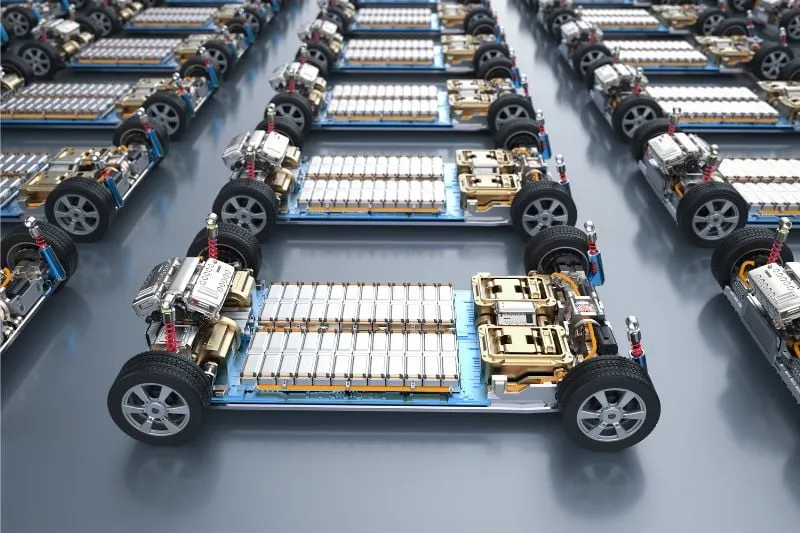
The use of used batteries for energy storage is actually nothing new in the automotive industry. Previously, Toyota once used used hybrid batteries to supply electricity in Yellowstone National Park in the United States. Meanwhile, Porsche also uses batteries from the Taycan prototype to support the energy needs of one of its factories in Germany. These efforts demonstrate the enormous potential of so-called “second life batteries.”
Even so, challenges remain. One of them is the diversity of conditions of used batteries. Toyota tries to overcome this by continuing to use the energy management system built into each donor battery. With this approach, battery by cell type, chemistry, and different health levels can be combined in one system. This method can reduce the need for new, uniform standards, while maximizing the utilization of existing batteries.
However, the scale of the project is still a big question. To date, Most used battery utilization programs are limited to small projects and demonstrations. To be able to truly contribute significantly to industrial energy supply, large investment is required, long term durability test, as well as clarity in regulations regarding the use of recycled batteries. On the other hand, if successful, This technology can be an environmentally friendly and efficient solution in responding to the growing problem of battery waste.
Toyota, through trials at the Mazda Hiroshima factory, tried to go further than just a pilot project. If the result is positive, The Sweep Energy Storage System could be an important breakthrough for the automotive industry as well as the energy sector. However, the road to large-scale implementation is still long. Apart from technical problems, Industry acceptance and regulatory support will also be crucial.
Clear, these efforts reflect new trends: Car manufacturers are now not only competing to introduce electric vehicles, but also looking for ways to manage the battery life cycle more sustainably.


