


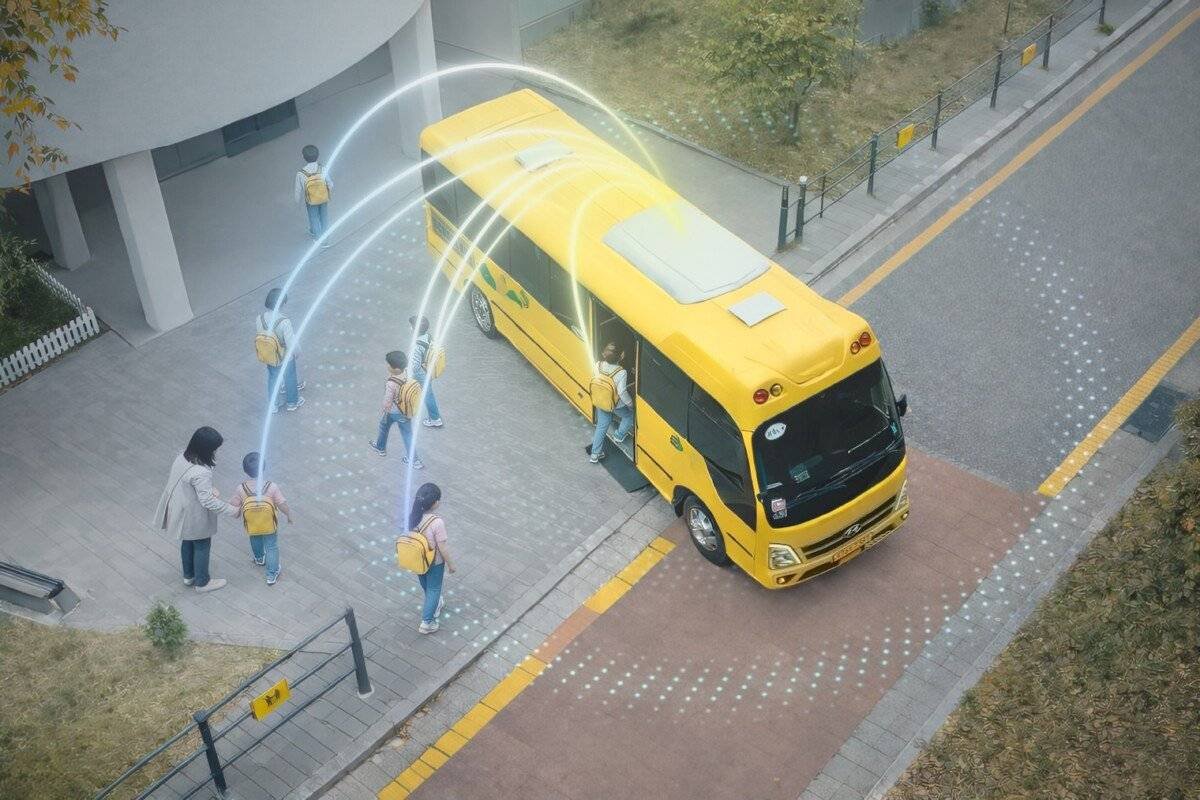
Jakarta, Otodiva – Hyundai Motor and Kia are now trying to offer a different approach through Vision Pulse, new safety technology that utilizes ultra wideband or UWB signals. Instead of just relying on expensive cameras or sensors, Vision Pulse is designed to read object positions in real time with high precision, even when the driver's vision is obstructed.
This technology is still at the development and testing stage, However, Hyundai and Kia are quite confident that Vision Pulse can become a new foundation for the next generation of safety systems. Even so, its effectiveness on public roads remains something that needs to be further proven.
Driving safety is still one of the biggest challenges in the modern mobility era, especially in increasingly dense urban environments. Blind spot, pedestrians, and other vehicles that are blocked from view often trigger accidents, even though the vehicle is equipped with various driver assistance systems.
Read Also: IIMS 2026 Expand the Exhibition Scale with a Lifestyle and Technology Approach
How Vision Pulse Works and Its Accuracy Claims
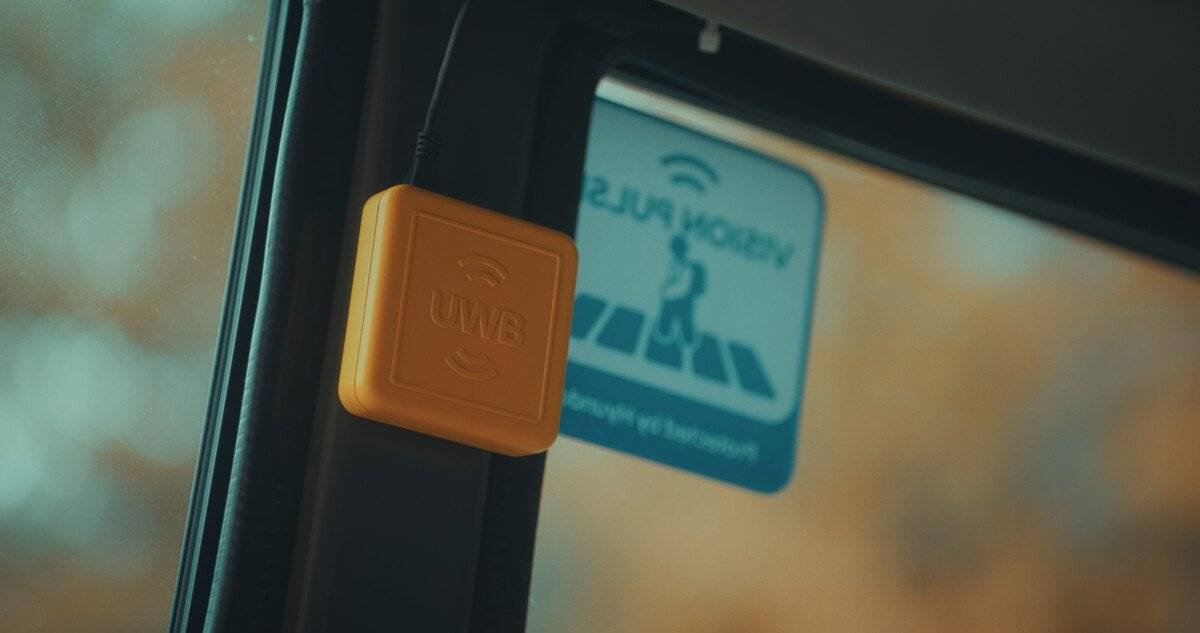
Vision Pulse works by utilizing the UWB module installed in the vehicle. This system transmits a signal and measures its travel time to other devices that also have UWB, like other vehicles, cell phone, wearable, or a specific tracker. From this data, Object positions are calculated precisely and potential collisions can be predicted in advance.
Hyundai and Kia claim that the accuracy of this system reaches the maximum difference 10 cm in radius 100 meter, with detection rates above 99 percent even in bad weather conditions or at night. The communication speed is also claimed to be very fast, around 1 until 5 milliseconds, so warnings can be given almost instantly.
Another advantage highlighted is cost efficiency. By utilizing UWB which is already widely used, Vision Pulse is claimed to be able to reduce dependence on sensors such as LiDAR and radar which are still relatively expensive for mass production.
Great Opportunity, Challenges Still Await
On paper, Vision Pulse opens up huge opportunities, especially for complex scenarios like city intersections, industrial area, to emergency situations. Hyundai and Kia even see potential applications in warehouses, harbor, as well as disaster response to detect human presence behind the rubble.
However, This technology also has limitations. Vision Pulse relies on the presence of UWB modules in surrounding objects. It means, its effectiveness may be reduced if pedestrians or other vehicles do not have compatible devices. Standardization and mass adoption are the main challenges before this technology is truly ready for widespread use.
Besides that, Vision Pulse integration with other driver assistance systems also needs to be thoroughly tested. Without proper calibration, the risk of false alerts or information overload remains. Vision Pulse looks promising, but the road to commercial implementation is still quite long.
