





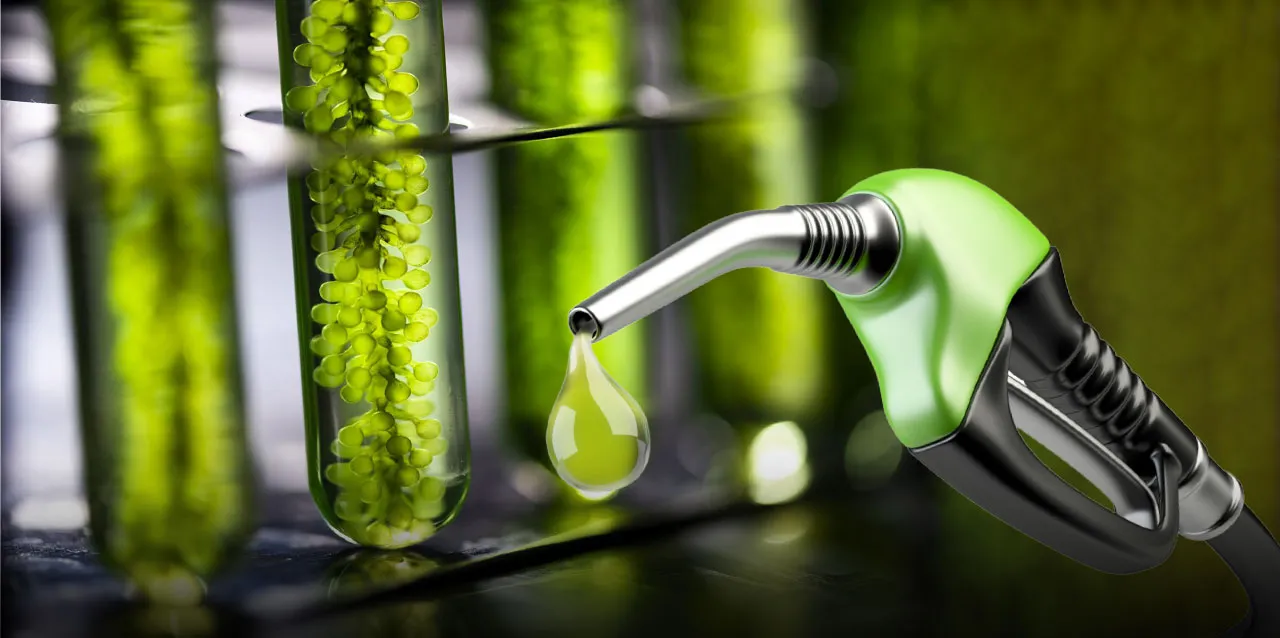
Otodiva – The enthusiasm to reduce exhaust emissions must continue to be fostered for the sake of a cleaner and more sustainable future. Along with global efforts to reduce the negative impacts of climate change, Technology that can reduce exhaust emissions is now a priority in various sectors, including in the development of bioethanol. Bioethanol, as an alternative fuel, is now starting to be taken into account in efforts to create a greener environment.
According to Prof. Dr. Ronny Purwadi, a researcher from ITB, Indonesia is currently at a crucial crossroads in its journey to achieving energy independence and facing climate change. The country's dependence on fossil fuels is increasing, while the negative impact on the environment is becoming increasingly apparent. Therefore, the use of alternative fuels such as bioethanol is very important.
“Amidst global pressure to switch to cleaner energy, bioethanol offers great opportunities that have not been fully exploited optimally in Indonesia,said Ronny.
Indonesia is currently leading the way in implementing biodiesel with the B35 program, and will soon increase its use to B40. Nevertheless, Ronny emphasized that Indonesia is still lagging behind in the implementation of bioethanol, especially for petrol vehicles. Whereas, The potential of bioethanol as an alternative fuel is very large.
Bioethanol itself is produced from various biomass resources such as sugar cane molasses, sorrows, corn, or cassava. Bioethanol development in Indonesia, in addition to reducing carbon emissions, will also provide other great benefits, such as increasing national energy security and encouraging economic growth.
Furthermore, Ronny explained that although bioethanol still produces emissions, penting untuk dipahami bahwa bioetanol dianggap sebagai bahan bakar “carbon neutral”. This is because the CO2 produced when bioethanol is burned is reabsorbed by the plants used to produce the bioethanol. Thus, The carbon cycle of bioethanol can be considered neutral.
“Secara net, there is no addition of CO2 gas to the atmosphere, so that the carbon cycle becomes more environmentally friendly. Therefore, The development of the bioethanol industry is very important as a medium to long term strategy. Apart from helping to overcome energy problems, Bioethanol can also create new jobs and contribute to environmental conservation,said Ronny.
Some time ago, PT Pertamina has taken concrete steps to support the development of bioethanol in Indonesia. At the Gaikindo Indonesia International Auto Show (GIIAS) 2024, Pertamina introduces bioethanol fuel 100% tested as a substitute for gasoline. This step is a signal that bioethanol has a bright future in Indonesia.
Oki Muraza, Senior Vice President Technology Innovation PT Pertamina, revealed that Pertamina had produced as much 150 liters of bioethanol from biomass dregs, namely the stem of the sorghum plant. The production process is carried out at the Pertamina Innovation Technology Laboratory, using state-of-the-art distillation and dehydration equipment.
“Nira sorgum diperoleh melalui kerja sama dengan universitas setempat yang telah melakukan uji penanaman di beberapa lahan. After that, The sap is processed through a fermentation process into bioethanol and further purified,” jelas Oki.
This step is proof that Indonesia has great potential in developing renewable fuels. Although it is still in the early stages, Bioethanol development in Indonesia must continue to be encouraged, both through collaboration between governments, academy, and industry.
Eventually, transition energy moving towards more environmentally friendly fuels such as bioethanol must be a priority. By utilizing abundant natural resources, Indonesia can not only increase energy security, but also contribute significantly to reducing greenhouse gas emissions. The urgency of developing bioethanol is not only a solution to current environmental problems, but also as a strategic step for a more sustainable future.


