


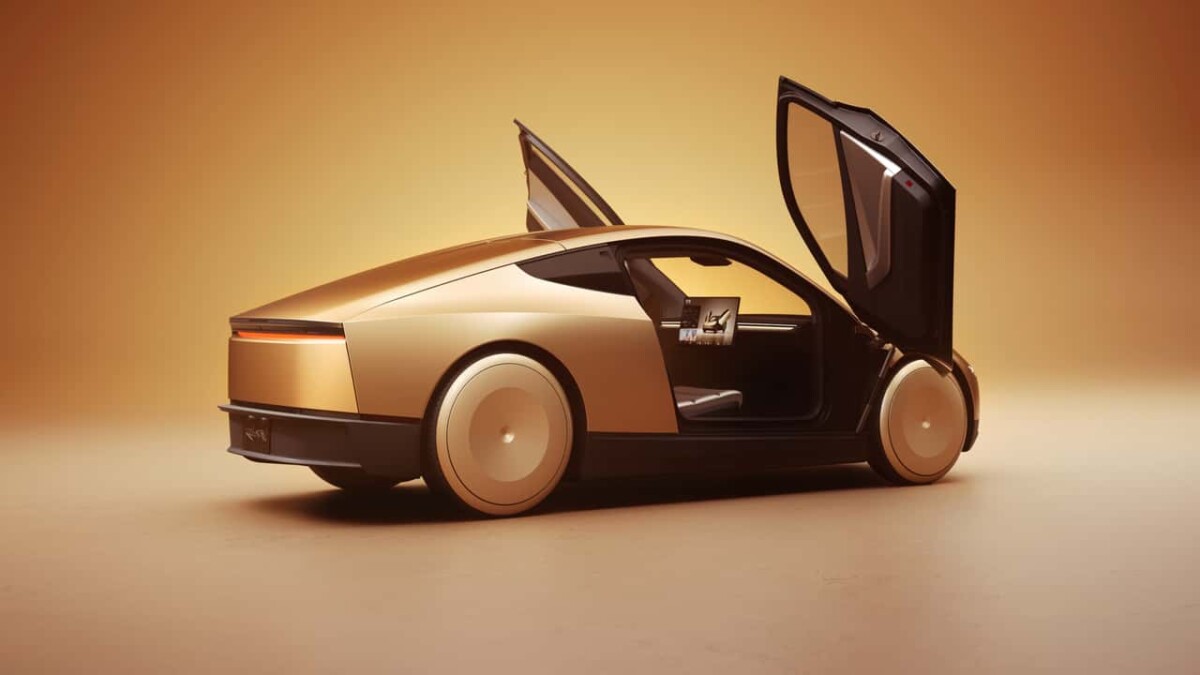
Jakarta, Otodiva – Tesla, Elon Musk's electric car manufacturer, recently expanded its Robotaxi service to the San Francisco Bay Area after first appearing in Austin, Texas. Tesla's presence in the area which is also Waymo's headquarters, one of Google's autonomous vehicle pioneers, immediately gives rise to comparisons. Especially, The public is still questioning the extent to which Tesla's service can truly be categorized as an autonomous taxi.
Strong comments also came from John Krafcik, ex- CEO Waymo. According to him, Tesla's claims are still far from the real robotaxi concept, mainly due to the presence of a backup driver in the car. This view highlights the differences in approach between two large companies in the same industry, and emphasized that autonomous vehicle technology still faces a long way to go before it fully matures.
John Krafcik's criticism of Tesla
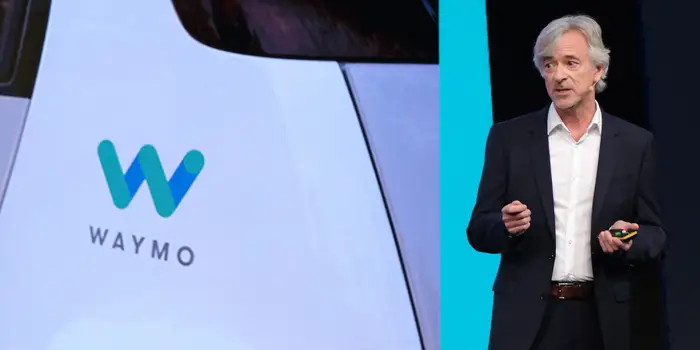
Krafcik, who led Waymo from 2015 until 2021 after previously having a career at Hyundai, assesses that Tesla's Robotaxi does not meet autonomous vehicle standards. In comments to Business Insider, he called Tesla's service “simply replicating Uber's experience in the Bay Area,” instead of presenting new innovations.
According to Krafcik, the presence of a backup driver or safety driver clearly shows that the car is not fully autonomous. In Austin, Tesla places passengers in the front seat as supervisors, while in San Francisco there is a driver ready to take over control if necessary. “Please let me know when Tesla actually launches robotaxi. I'm still waiting,” he said in a skeptical tone.
He also added that it was difficult to call the service a robotaxi if there were still Tesla employees sitting behind the wheel. Krafcik himself admitted that he was not interested in trying this service, even though Musk promised open access to the public starting next month.
Tesla's Challenges and Optimism
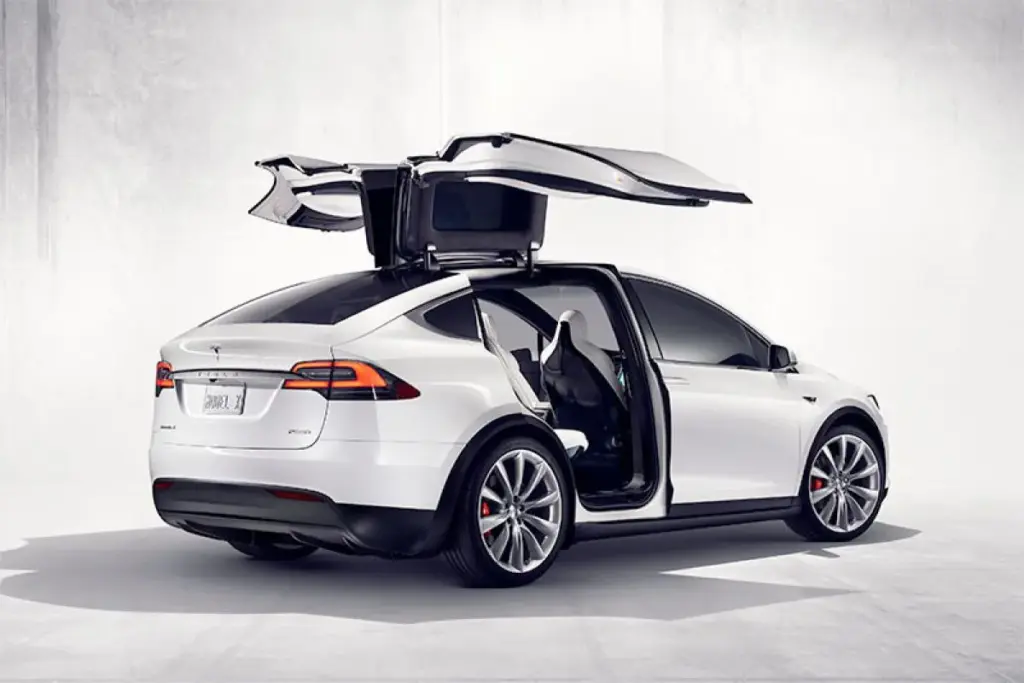
From Tesla's side, The steps to introduce Robotaxi can still be considered important progress. Although not completely autonomous, the service provides an initial glimpse into how the company wants to build the transportation ecosystem of the future. Elon Musk has repeatedly emphasized that Robotaxi will be the backbone of Tesla's mobility business, even more important than regular electric car sales.
However, Tesla faces major challenges from a regulatory and technological perspective. This is different from Austin, which has looser rules, California requires a special permit to operate a driverless vehicle. Until now, Tesla has not applied for this permit, So it is natural that the presence of a backup driver is considered a form of compromise. On the other hand, Waymo and Cruise (owned by GM) already has a permit to operate driverless cars in San Francisco.
Even though it received criticism, Tesla still has a strong support base. His fans see this move as an important stage towards his long-term vision. If the system can continue to be refined, The presence of Robotaxi has the potential to reduce transportation costs while accelerating the adoption of autonomous car technology in wider society.
The conclusion, the debate surrounding Tesla's Robotaxi shows two different sides of the development of autonomous car technology. On one side, There are skeptics such as John Krafcik who think that this service does not deserve to be called a true robotaxi. On the other hand, Tesla remains optimistic about seeing this initial step as a foundation towards future transportation transformation.
Will Tesla be able to prove itself beyond critics and deliver fully autonomous services? The answer may still take time. However, Robotaxi's presence in San Francisco clearly marks a new chapter in the autonomous vehicle technology competition between Tesla, Waymo, and other big players.
